Selling a home in Kitty Hawk is not quite like selling anywhere else on the coast. Buyers here are paying close attention to flood risk, storm resilience, exterior condition, and paperwork, especially if they are shopping from out of town. If you want a smoother sale and a stronger first impression, it helps to prepare your home with Kitty Hawk’s market realities in mind. Let’s dive in.
Why preparation matters in Kitty Hawk
Kitty Hawk remains an active market, but buyers are selective. In the Outer Banks Association of REALTORS’ March 2026 report, Kitty Hawk had 19 year-to-date residential sales, a median sales price of $605,000, and average days on market of 52. At the same time, broader Outer Banks inventory was up year over year, while sales and median sale price were down, which means presentation and readiness can make a real difference.
This is also a market shaped by coastal conditions. The Town of Kitty Hawk says most of its 8.8 square miles lie within a Special Flood Hazard Area, and town planning documents focus heavily on storm resilience, dune protection, and flood-prone streets. For you as a seller, that means buyers are often evaluating more than finishes and square footage.
Start with documents before updates
Before you paint a wall or book photos, gather your paperwork. In Kitty Hawk, buyers and their agents may ask early about flood zone details, elevation information, and records tied to past improvements.
The town’s residential permit process shows how important documentation can be. Depending on the work done, final inspection records may include an NC Energy Efficiency Certificate, a KH V-Zone Certificate, a National Flood Insurance Program Elevation Certificate, a Termite Affidavit, and an as-built survey. If you have completed major work or renovations, having these items organized can help reduce questions once your home hits the market.
Review past improvements carefully
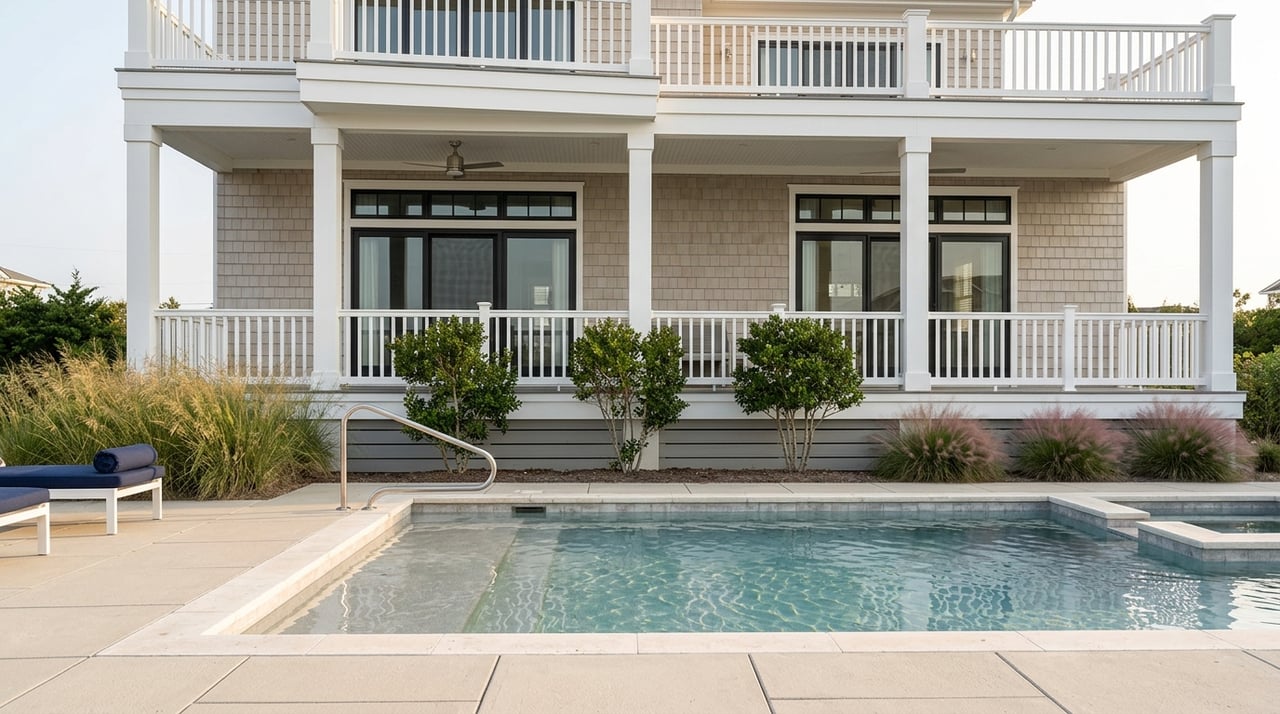
Visible exterior improvements deserve extra attention. If you added or changed decks, walkways, driveways, parking areas, pools, or similar site features, confirm that the work was properly permitted and documented.
Kitty Hawk’s permit packet notes that site plans and as-builts may need to show items like decks, walkways, driveways, parking areas, flood zone lines, base floor elevation, and lot coverage. The same packet states that lot coverage cannot exceed 30%, and driveways and parking areas count toward that total. If a buyer sees improvements that do not match available records, it can slow a sale or lead to extra negotiation.
Check for coastal permitting issues
For some properties, CAMA permits may also matter. The Town of Kitty Hawk states that many land-disturbing activities in Areas of Environmental Concern, including some oceanfront, estuarine shoreline, and soundside locations, require a CAMA permit.
That does not mean every exterior feature creates a problem. It does mean you should verify visible work such as walkways, dune access features, and similar improvements before listing, especially if your property is in a more sensitive coastal area.
Get ahead of flood questions
In Kitty Hawk, flood-related questions are standard, not unusual. Buyers may ask what flood zone the property is in, whether an elevation certificate is available, and what records exist for prior improvements.
The Town of Kitty Hawk and Dare County both provide flood-zone resources and property-level flood information. Since most of the town lies in a Special Flood Hazard Area, it is smart to assemble flood documentation early instead of waiting until due diligence begins. A prepared seller often appears more credible and easier to work with.
Create a simple seller document package
A clean document package can make your listing feel more polished and complete. It can also help remote buyers feel more confident.
Consider gathering:
- Elevation certificate, if available
- Flood zone information for the property
- Records of permits and final inspections
- As-built survey, if available
- Documentation for major repairs or renovations
- Notes on the age or condition of major exterior elements
Focus repairs on what buyers notice most
In a coastal market, curb appeal is about more than looks. Kitty Hawk’s flood and planning priorities suggest that clean drainage, sound exterior materials, and well-maintained outdoor spaces can carry added weight with buyers.
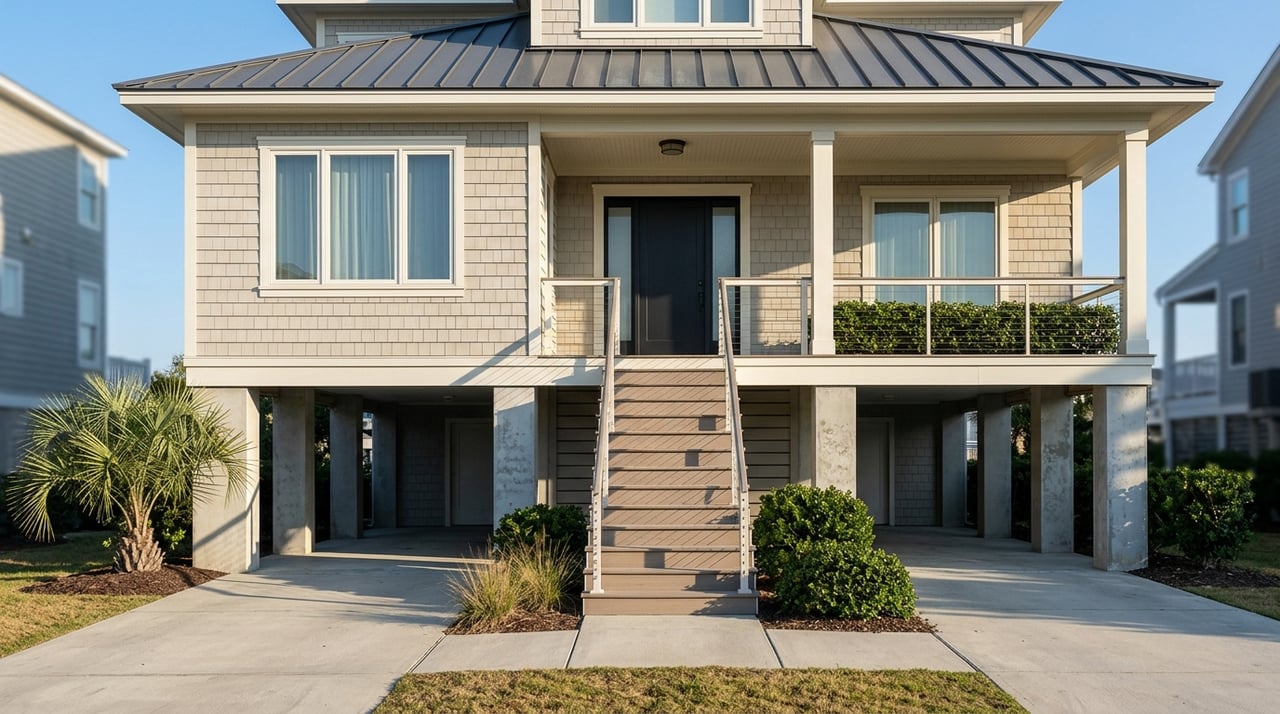
That means your pre-listing repair list should start outside. Loose railings, worn stairs, damaged trim, weathered decks, and neglected exterior spaces may raise larger questions in a buyer’s mind about maintenance and storm exposure.
Prioritize these pre-listing fixes
You do not need to over-renovate to make a strong impression. Instead, focus on repairs that improve confidence, safety, and presentation.
Start with:
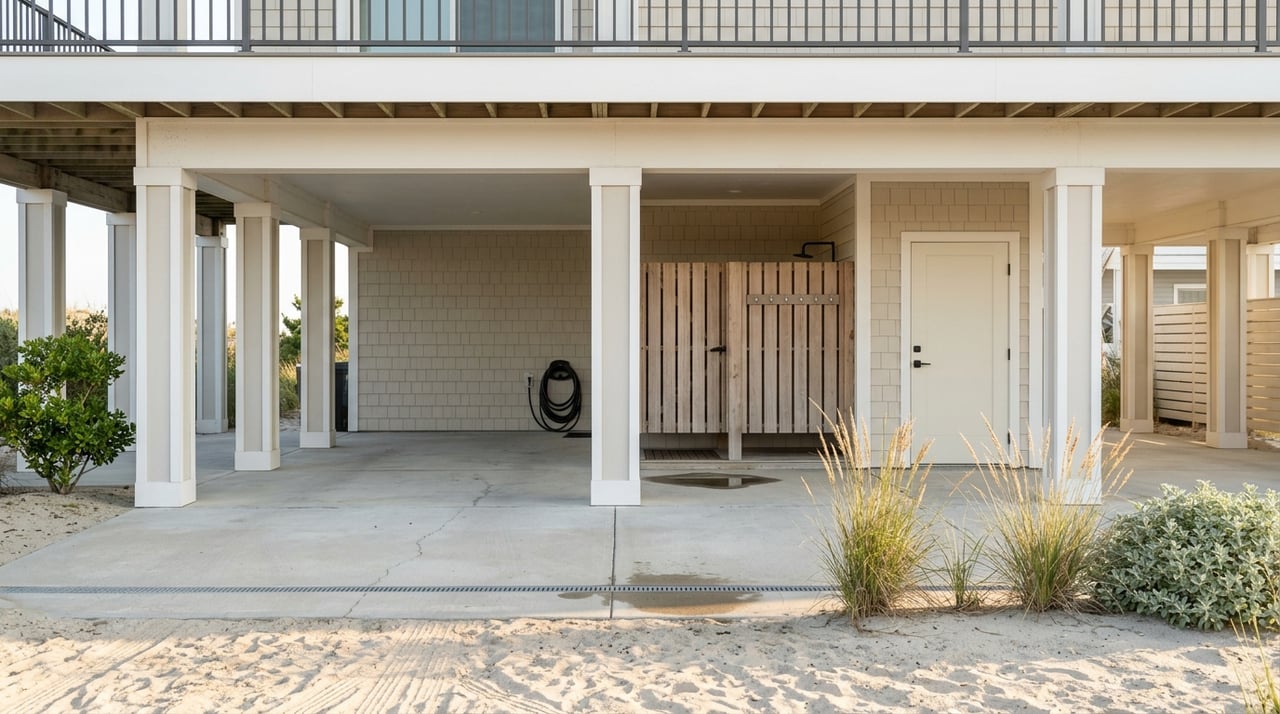
- Cleaning up exterior drainage paths and removing debris
- Repairing unstable decks, stairs, and handrails
- Replacing or touching up damaged siding, trim, and paint
- Power washing exterior surfaces where appropriate
- Refreshing entry areas and outdoor living spaces
- Improving lighting in key interior rooms and at the entry
- Addressing minor cosmetic issues like scuffed paint and worn caulk
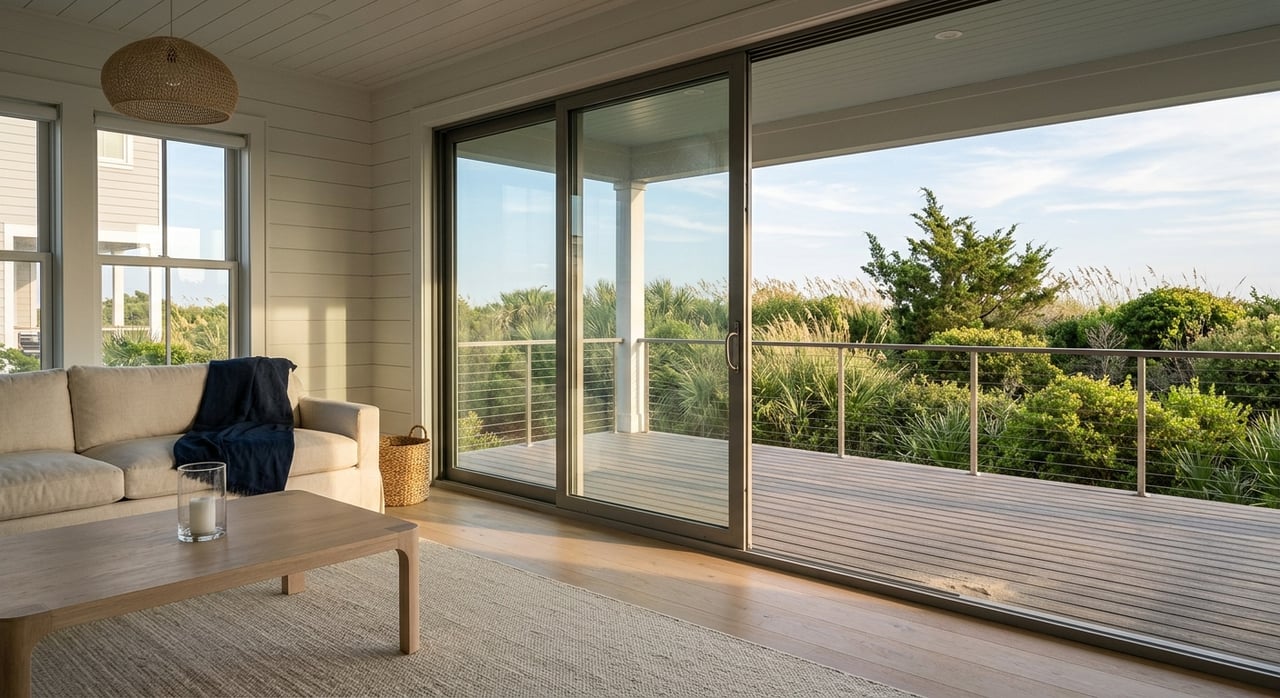
Inside the home, decluttering and simplifying still go a long way. NAR’s staging guidance says staging helps buyers picture the property as their future home, and 83% of buyers’ agents said it made that easier.
Stage for calm, space, and light
Many Kitty Hawk buyers are shopping for a lifestyle as much as a property. Some are looking for a second home, while others are considering vacation use or investment potential. Your home should feel easy to understand, comfortable to maintain, and ready to enjoy.
NAR recommends decluttering, removing personal items, using neutral paint, reducing bulky furniture, and keeping the entry clean and welcoming. Those basics matter even more in a beach market, where buyers often respond strongly to light, flow, and outdoor living.
Keep staging simple and coastal
The goal is not to strip all personality from the home. The goal is to help buyers focus on space, layout, and condition.
A few smart staging moves include:
- Removing excess furniture to make rooms feel larger
- Clearing countertops and open shelving
- Using light, neutral bedding and textiles
- Making decks, porches, and outdoor seating areas look usable
- Opening window coverings to highlight natural light
- Storing highly personal items before photography and showings
If you use virtual staging, be careful with accuracy. NAR notes that photo enhancements that materially alter the property should be disclosed, so there is a clear difference between tidying up an image and digitally changing a room.
Treat photos like your first showing
For many buyers, your online listing is the first and most important showing. NAR reports that 52% of buyers found the home they purchased online, and 81% said listing photos were the most useful feature in their home search.
That matters even more in Kitty Hawk, where some buyers are remote and some are shopping for second-home or vacation use. If your lead image, photo order, and exterior presentation do not stand out, you may lose attention before a showing is ever scheduled.
Make digital marketing work harder
Strong photography should show more than pretty angles. It should answer practical questions and help buyers understand how the home lives.
Your listing should ideally help buyers see:
- Exterior condition and approach to the home
- Decks, stairs, porches, and outdoor gathering spaces
- Main living areas and room flow
- Kitchen and bath presentation
- Storage, parking, and site layout where relevant
- Any standout coastal features, without overselling them
Virtual tours can also be especially useful here. NAR notes that virtual tours help buyers understand room flow and can speed the buying process. In a market where some buyers still purchase without seeing the home in person, accurate digital presentation is essential.
Time your launch thoughtfully
Preparation usually takes longer than sellers expect. Zillow found that many sellers think about selling for three to less than four months before listing, and that timeline makes sense in Kitty Hawk, where document gathering and exterior readiness can take time.
National research points to spring and late spring as strong listing windows. Realtor.com’s 2025 analysis identified April 13 through 19 as the best week to list nationally, while Zillow’s March 2026 analysis said late May was a national sweet spot. For Kitty Hawk sellers, the bigger takeaway is to complete repairs, paperwork, staging, and photography before you go live.
Why a clean launch matters
NAR’s 2025 seller data found that recently sold homes were on the market a median of four weeks and generally achieved a median of 99% of final list price. Even though local market conditions vary, that supports a simple idea: preparation before launch tends to work better than fixing things once the listing is active.
In a beach market with out-of-town buyers, a rushed debut can create avoidable friction. A polished launch with complete documents and strong visuals gives you a better chance to attract serious interest early.
Think like a Kitty Hawk buyer
Today’s buyers are often balancing emotion and caution. They may love the idea of a beach house, but they are also evaluating flood exposure, maintenance demands, permits, and how smoothly the transaction is likely to go.
When you prepare your home with those questions in mind, you make it easier for buyers to say yes. You also put yourself in a better position to support your asking price and reduce last-minute surprises.
If you are planning to sell in Kitty Hawk, the smartest first step is often a thoughtful pre-listing plan that covers condition, documents, and presentation together. For tailored guidance on preparing and positioning your property in today’s coastal market, connect with Sarah Collier.
FAQs
What should I do first before listing a home in Kitty Hawk?
- Start by gathering key property documents, including permit records, flood-zone information, elevation documents if available, and records for any major improvements.
What flood documents matter when selling a Kitty Hawk home?
- Buyers may ask for the property’s flood zone, an elevation certificate if available, and records that show how the home was built or improved.
Do permits matter for decks and driveways in Kitty Hawk?
- Yes. Kitty Hawk’s permit materials show that features like decks, walkways, driveways, parking areas, and similar improvements may need to appear on plans and as-built documents, and they can affect lot coverage.
How important is staging for a Kitty Hawk home sale?
- Staging can help buyers picture the home more clearly, and simple steps like decluttering, neutralizing decor, and reducing bulky furniture can improve how the property shows.
Why do listing photos matter so much for Kitty Hawk sellers?
- Many buyers begin online, and some are shopping remotely, so strong photos and virtual tour assets can shape whether a buyer schedules a showing or moves on.
When should I start preparing my Kitty Hawk home for sale?
- It is wise to begin a few months before your target listing date so you have time to handle repairs, gather documents, stage the home, and launch with polished marketing.