If you are thinking about buying in Nags Head, it helps to know this market is not just about finding a home you love. It is also about understanding timing, pricing, flood exposure, and how coastal ownership works day to day. The good news is that today’s market gives many buyers room to be thoughtful, ask questions, and negotiate with care. Let’s dive in.
Nags Head Market Snapshot
Nags Head is currently a high-priced but buyer-leaning coastal market. Different housing sites report different headline numbers because they measure the market in different ways, so it is best to treat those figures as a general guide rather than exact matches.
Recent data points still tell a clear story. Redfin reported a March 2026 median sale price of $1.06 million, 56 days on market, and just 9 homes sold that month compared with 24 a year earlier. Zillow estimated the typical home value at $721,190, while Realtor.com showed a median listing price of $749,000, 113 homes for sale, and homes selling at about 97% of list price.
For you as a buyer, that usually means less urgency than in a highly competitive market. Well-priced homes can still move, but the overall pace suggests you may have more time to compare options and evaluate risk before making an offer.
Inventory in Nags Head
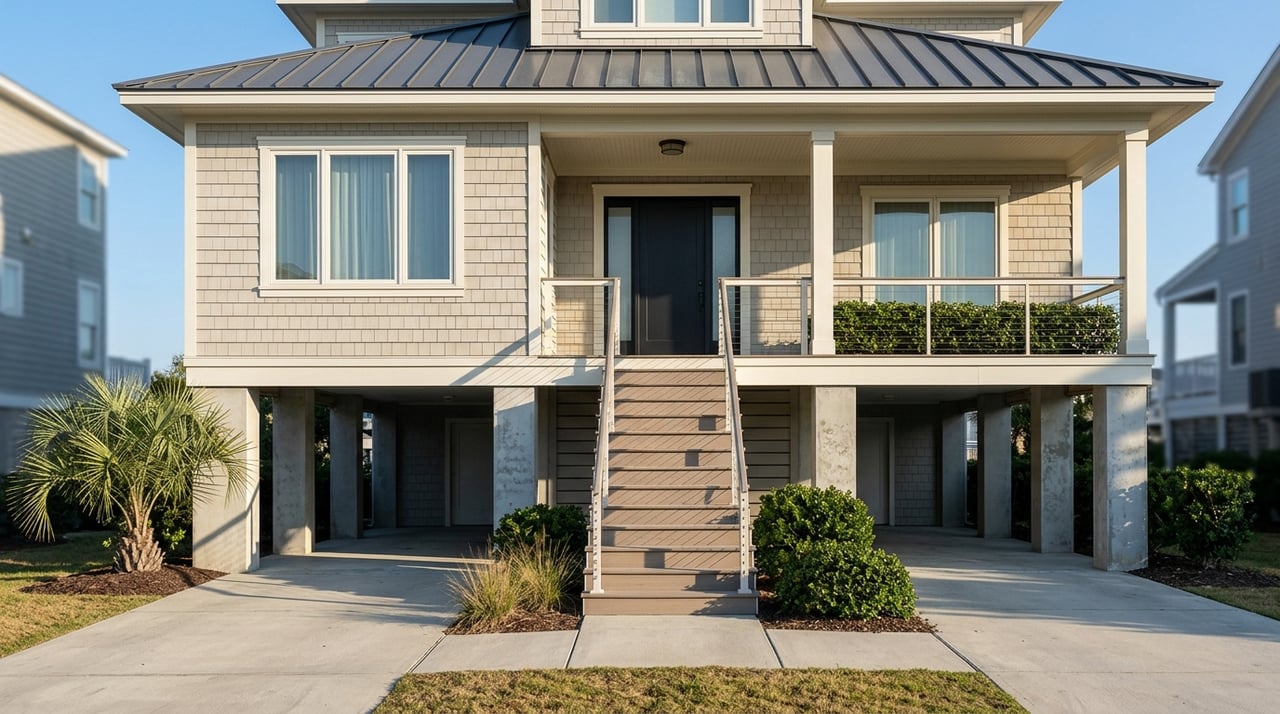
Detached homes make up most of the active inventory in Nags Head. That gives buyers the widest range of choices if you are looking for a full-size primary home, second home, or vacation property.
Current listing snapshots show about 68 active single-family homes, with asking prices ranging from roughly $350,000 to $1.65 million on the main page, plus larger or oceanfront homes priced above $2 million. Condo inventory is smaller, with around 12 listings and many options falling between about $480,000 and $680,000.
Townhomes and duplex-style homes are much harder to find. Zillow’s townhome page showed only 2 results, which suggests this is a much thinner and more premium segment of the market.
If you are considering building, land is available but limited. The snapshot in the research showed 9 lot listings, with asking prices from $219,900 to $1.495 million.
Where Listings Are Concentrated
Inventory is not spread evenly across town. Realtor.com’s market snapshot showed stronger listing counts in a few established areas, including Hollywood Beach, The Village at Nags Head, Old Nags Head Cove, Vista Colony West, and Whalebone Beaches.
That matters because your options may narrow quickly once you decide on a specific setting, lot type, or proximity to the ocean or sound. In a market like this, it helps to stay flexible on features while staying firm on your top priorities.
What Pricing Trends Mean for Buyers
One of the clearest patterns in Nags Head is that correctly priced homes still attract attention, while overpriced homes may sit long enough to create negotiation opportunities. Zillow showed 17.7% of listings with price drops in one snapshot, and Realtor.com reported a median 55 days on market.
Sold examples reported by Redfin also point to a mixed pricing environment. Some homes closed 4% to 6% below list price, while others sold at asking price after a longer marketing period.
For you, that means the best leverage often shows up when a property is priced too aggressively for its condition, location, or flood-related risk. In those cases, a disciplined offer backed by market evidence can be more effective than rushing in with your highest number.
Build a Strong Offer Package
In Nags Head, the strongest offers are not always the highest offers. Sellers often respond well to buyers who look prepared, realistic, and serious about closing.
A solid buyer package should include:
- Mortgage preapproval
- A clear inspection plan
- A flood and insurance review
- Careful attention to condition and long-term ownership costs
That last point matters more here than in many inland markets. The Town of Nags Head says most development is low-lying, the main flood threats come from hurricanes, winter storms, and seasonal high tides, and 78% of structures are in a floodplain. The town also notes that standard homeowner insurance does not cover flood losses.
Dare County adds another layer to your due diligence by noting that flood insurance is a standard part of the process and that pre-1978 and post-1978 structures may be treated differently for flood rating purposes. Before you commit, make sure you understand not only the purchase price, but also the insurance picture tied to the specific property.
Coastal Risks Need a Closer Look
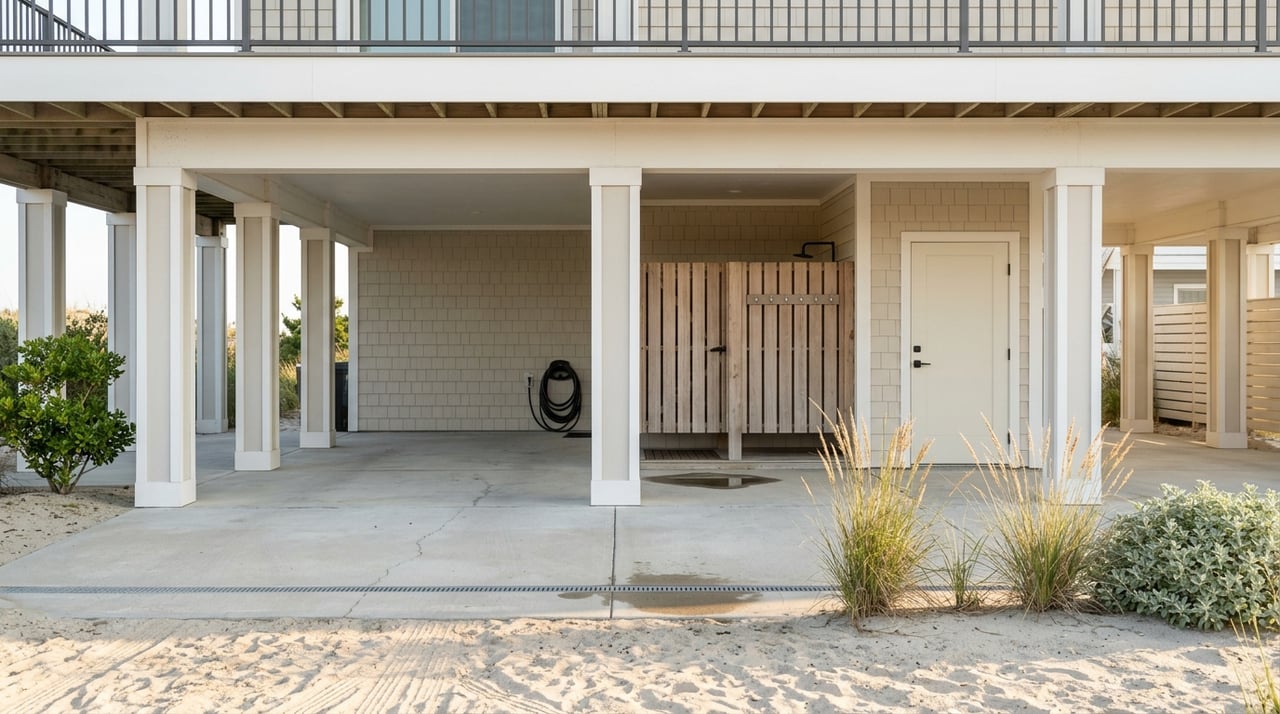
Buying in Nags Head means buying in a coastal environment, and that should shape your decision from the beginning. Price per square foot matters, but so do elevation, floodplain location, storm exposure, and how a home has been maintained over time.
If you are planning to use the property as a primary residence, year-round livability should be part of your review. Think about access, upkeep, insurance costs, and how comfortable the home will be beyond peak beach season.
If you are buying a second home or investment property, add another filter. You will want to compare the home not just to nearby listings, but also to the realities of seasonal demand, carrying costs, and the work required to keep a coastal property performing well over time.
Seasonality Affects Timing
Buyer timing matters in the Outer Banks, and Nags Head is no exception. According to the Outer Banks Visitors Bureau, most summer rental homes are booked by the end of January, summer stays often require full-week bookings, and spring, fall, and winter are generally less expensive times to visit.
That seasonal rhythm can influence the market. Summer tends to bring heavier visitor traffic and stronger vacation demand, while spring and fall stay active with events and travel.
For buyers, this often means seller leverage can feel firmer during the summer window, especially for properties that fit second-home or rental goals. More patient buyers may find a little more negotiating room in the shoulder seasons or off-season, when there is less tourism pressure and more space to evaluate properties carefully.
Compare Nags Head to Nearby Towns
If you are deciding between Outer Banks towns, Nags Head sits in a useful middle ground on both pricing and inventory. Zillow’s current figures place the typical home value at about $721,000 in Nags Head.
That is higher than Kill Devil Hills at about $522,000 and Kitty Hawk at about $655,000. It is lower than Southern Shores at about $784,000 and Duck at about $1.017 million.
Inventory also lands in the middle of the pack. Nags Head had 93 listings in the research snapshot, compared with 150 in Kill Devil Hills, 49 in Kitty Hawk, 23 in Southern Shores, and 39 in Duck.
For many buyers, this makes Nags Head appealing because it offers more choice than some of the tighter northern markets while still giving you access to a well-known coastal setting. In simple terms, you may find more options here than in Duck or Southern Shores, without stepping into the highest price tier.
Watch 2026 Timing Factors
There are a couple of 2026 timing issues worth keeping in mind as you plan a purchase. The Town of Nags Head and Dare County both reported a beach nourishment project tentatively scheduled for May through August 2026, with construction expected to begin in early to mid-May.
That does not mean you should avoid the market. It does mean you should ask practical questions about beach access, schedule disruption, and how project timing may affect your plans if you want to use or rent the property during that period.
It also overlaps with Atlantic hurricane season, which runs from June 1 through November 30. That is another reason to look beyond the listing photos and think carefully about insurance, storm exposure, and ownership logistics.
Smart Buyer Priorities in Nags Head
If you want to buy wisely in this market, focus on the factors that matter most after closing, not just the features that stand out during a showing. Coastal real estate is both a lifestyle purchase and a long-term asset decision.
Here are a few smart priorities to keep front and center:
- Review flood zone and elevation early
- Get insurance information before final negotiations
- Compare asking price to condition and risk factors
- Watch for stale listings and recent price drops
- Match the property to your actual use, whether primary home, second home, or rental-focused ownership
- Consider seasonal timing when planning your search and offer strategy
In a market like Nags Head, careful due diligence can make just as much difference as price negotiation. The buyers who do best are usually the ones who stay clear-eyed, patient, and informed.
If you want a thoughtful guide as you compare homes, condos, or homesites in Nags Head and across the Outer Banks, Sarah Collier offers the kind of local, detail-focused support that helps you buy with more clarity and confidence.
FAQs
What is the current real estate market like in Nags Head?
- Nags Head is generally a high-priced but buyer-leaning market, with moderate days on market, some price reductions, and room for negotiation on certain properties.
What property types are available in Nags Head?
- Buyers will find the most options in single-family homes, with fewer condos, very limited townhomes, and a small number of land listings.
What should buyers know about flood risk in Nags Head?
- Flood risk is a major part of due diligence because the town says most development is low-lying and 78% of structures are in a floodplain, so flood insurance review is important.
How much do homes cost in Nags Head compared with nearby towns?
- Current research places Nags Head above Kill Devil Hills and Kitty Hawk in typical value, but below Southern Shores and Duck, while also offering more inventory than several nearby towns.
When is the best time to buy in Nags Head?
- Summer can bring firmer seller leverage due to vacation demand, while shoulder seasons and the off-season may offer more room to negotiate and more time to evaluate properties.
What should second-home or investment buyers focus on in Nags Head?
- In addition to price and location, second-home and investment buyers should closely review flood exposure, insurance costs, maintenance needs, and how the property fits the Outer Banks seasonal rental calendar.