If you are thinking about buying a vacation rental in Kill Devil Hills, it helps to look past the postcard appeal and study the numbers like a business. This market can be rewarding, but it does not behave like a typical long-term rental market. When you understand seasonality, property fit, and real carrying costs, you can make a much more confident decision. Let’s dive in.
Why Kill Devil Hills Stands Out
Kill Devil Hills operates in a market shaped by tourism, second-home ownership, and weekly vacation rentals. Dare County’s housing materials note that homes are often rented weekly as vacation rentals rather than as seasonal or year-round rentals. That matters because your income pattern may rise sharply in summer and soften in the off-season.
The town itself is small, with 7,742 residents and 5.62 square miles of land, but its housing market reflects a resort-oriented coastal setting. Census QuickFacts reports a 73.9% owner-occupied housing unit rate among occupied units, a median owner-occupied value of $442,200, and median gross rent of $1,626. Taken together, those figures support the idea that Kill Devil Hills should be evaluated as a high-value seasonal market, not a standard year-round rental market.
Think Like a Seasonal Operator
In Kill Devil Hills, rental potential depends on when demand shows up. Dare County land-use materials say the peak seasonal population arrives in June, July, and August, with added spikes in spring, fall, and holiday weekends. That means your best-performing months may carry a large share of the year’s income.
County occupancy-tax collections make that pattern easy to see. In FY 2025-26 to date, July produced $11.2 million in gross collections and August produced $9.7 million, while October was $1.9 million and January was $1.0 million. If you are reviewing a property’s rental history, summer strength is important, but shoulder-season performance can tell you even more about long-term durability.
What Makes a Property Rent Well
Not every home in Kill Devil Hills will perform the same way, even if two properties are close on a map. A strong rental property usually combines practical convenience with features that support guest use week after week. In this market, the basics matter.
Town information highlights the value of public beach access, but it also makes clear that public access does not replace what a property offers on-site. Kill Devil Hills has many public beach accesses with different amenities, including parking, showers, lifeguards, and a fully accessible access at Ocean Bay Boulevard. Still, the town prohibits overnight parking at public beach accesses from midnight to 6 a.m. unless a permit is displayed, and beach items cannot be left overnight.
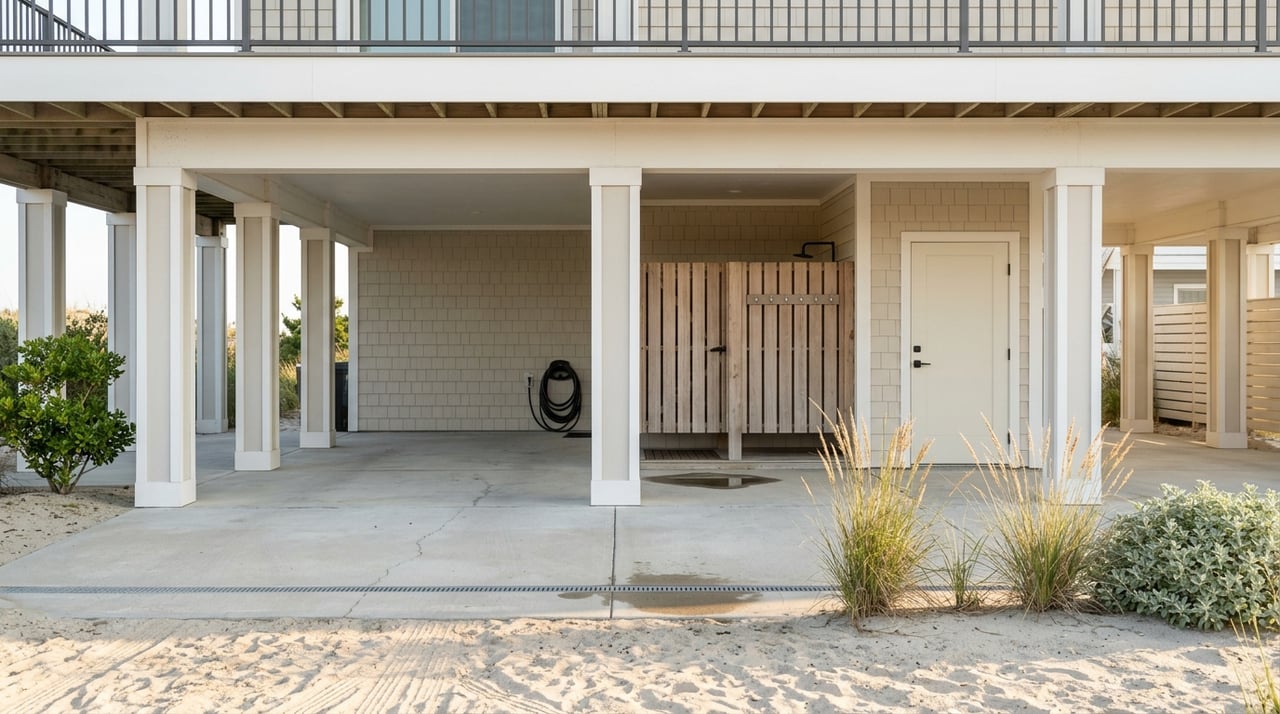
For you as a buyer, that means on-site parking and easy beach access are real value drivers. If guests cannot comfortably park at the home or reach the beach without hassle, that can affect rental appeal. A property’s location on paper is only part of the story.
Property Type Matters Too
Kill Devil Hills has historically been dominated by single-family homes. The town’s land-use plan update states that 85.1% of units were single-family residential as of 2016, with a smaller multifamily share and a small manufactured-housing segment. The plan also notes that multifamily complexes help serve the area’s transient population.
For an investor, this matters because the property type shapes both guest expectations and operating costs. Single-family homes may offer more privacy, parking, and outdoor space, while condos or multifamily units may present a different maintenance or amenity profile. The best fit depends on your rental goals, budget, and how much personal use you expect.
Read Rental History Carefully
One of the biggest mistakes buyers make is accepting rental income claims at face value. In Kill Devil Hills, you need to compare rental performance on the same basis every time. A listing sheet, a platform screenshot, and a manager statement may all show different versions of the same story.
A careful review should include:
- Gross rent
- Nights booked
- Average daily rate
- Owner-use blocks
- Cancellations
- Cleaning charges
- Linen charges
- Reservation or damage fees
- Management commissions
North Carolina guidance says accommodation receipts are subject to state and applicable local or transit sales and use tax, as well as any local occupancy tax. The state also says facilitation fees and other charges needed to complete a booking can be part of taxable accommodation receipts, and common taxable add-ons can include cleaning, pet, linen, and reservation fees.
That means you should be cautious when comparing reports. A strong top-line number does not always translate into a strong net return if the fee structure, taxes, and commission treatment are different.
Owner Use Changes the Math
Many second-home buyers want both rental income and personal enjoyment, which is understandable. The key is to model that honestly. Every week you reserve for yourself is a week that cannot be booked by a guest.
Dare County says occupancy tax does not apply to a private residence or cottage rented for fewer than 15 days in a calendar year. However, North Carolina guidance says that under-15-day exclusion does not apply if the home is routinely made available for transient rental. In practical terms, if you plan to use the home personally during prime weeks, your underwriting should assume fewer rentable weeks, not just lower occupancy.
Don’t Underestimate Carrying Costs
In a coastal market, purchase price is only the starting point. A sound analysis should include taxes, insurance, and operating expenses from the beginning. These are not side notes. They are central to whether the property truly works for you.
Here are some of the key costs to review in Kill Devil Hills:
- Occupancy tax: Dare County’s rate is 6% of gross receipts, filed monthly and due on or before the 20th day of the following month.
- Sales and use tax: Short-term accommodation receipts are also subject to North Carolina’s state and applicable local or transit sales and use tax.
- Property tax: The 2025 tax table shows a Kill Devil Hills town rate of 0.2800 per $100 and a Dare County rate of 0.2632 per $100, for a combined 0.5432 per $100 of assessed value.
- Beach nourishment MSD: Properties in the Kill Devil Hills beach nourishment MSD add 0.1638 per $100.
- Flood insurance: The town recommends flood insurance for any property in Kill Devil Hills.
Those numbers can materially affect your net return. The county’s 2025 revaluation also showed the Kill Devil Hills area among the highest aggregate tax-base increases in Dare County at 69%, so assumptions tied to assessed value should be treated as time-sensitive.
Flood Profile Is Part of the Investment Story
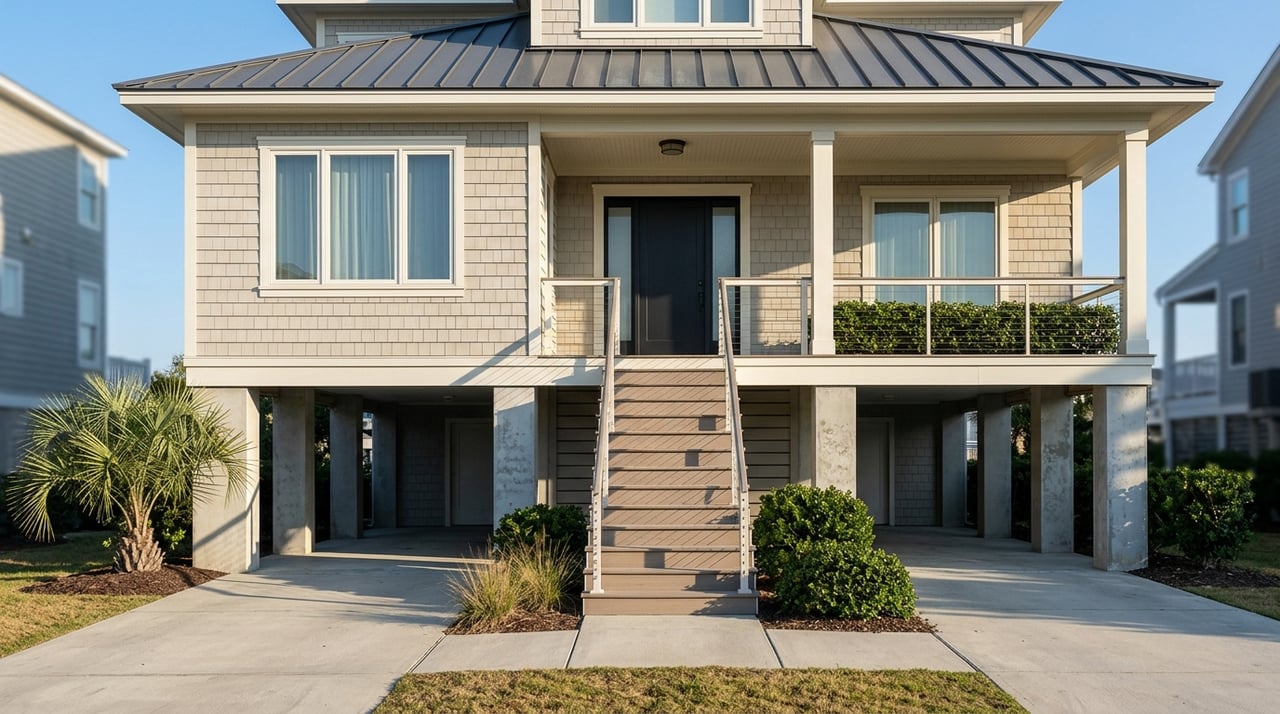
In Kill Devil Hills, flood and storm risk are part of the baseline, not an exception. The town recommends flood insurance for any property in town and provides an elevation-certificate database by street. That is useful because flood exposure can affect both your monthly costs and your comfort level as an owner.
For a vacation-rental buyer, this is where local due diligence matters. Two homes with similar rental appeal may carry very different long-term ownership profiles depending on elevation, insurance costs, and storm-related maintenance exposure. Looking only at gross rental income can hide that difference.
Shoulder Season Can Separate Good From Great
A property that fills only during peak summer may still work, but it should be modeled conservatively. Dare County’s seasonal data show clear summer strength, yet the county also sees spring, fall, and holiday demand after Labor Day. That makes shoulder-season performance an important test.
If a property attracts bookings beyond the busiest weeks, it may offer a more resilient income profile. Features that support that can include easy beach access, practical parking, a desirable bedroom count, and a location that remains convenient even when summer crowds fade. In a seasonal market, flexibility often supports value.
A Smart Kill Devil Hills Checklist
When you assess vacation rental potential in Kill Devil Hills, keep your focus on a few high-impact variables. This can help you avoid getting distracted by glossy marketing or one unusually strong revenue year.
Start with these questions:
- How easy is the beach access in real daily use?
- Does the property have enough on-site parking for guests?
- What does the flood profile suggest about insurance and long-term risk?
- How many bedrooms does the home offer, and how does that compare with competing rentals?
- How well might the property perform outside peak summer?
- What do taxes, management, and other operating costs do to the net return?
- How much owner use are you realistically planning?
The goal is not just to buy a home that rents. The goal is to buy a property that fits your lifestyle, holds up to coastal ownership realities, and performs in a way that makes sense over time.
The Bottom Line
Kill Devil Hills can offer compelling vacation-rental potential, but the strongest opportunities usually come from disciplined analysis rather than broad assumptions. You are not just buying a beach house. You are buying into a seasonal operating model shaped by access, taxes, flood profile, carrying costs, and the ability to attract guests beyond the peak weeks.
If you want a calm, detailed look at how a specific property fits your goals, working with an advisor who understands both coastal ownership and investment fundamentals can make the process much clearer. To talk through opportunities in Kill Devil Hills or anywhere along the Outer Banks, connect with Sarah Collier.
FAQs
What makes Kill Devil Hills different from a typical rental market?
- Kill Devil Hills is closely tied to weekly vacation-rental demand, with peak activity in summer and additional spikes in spring, fall, and holiday periods, so it should be analyzed as a seasonal market rather than a standard long-term rental market.
What should you review in a Kill Devil Hills rental history?
- You should compare gross rent, nights booked, average daily rate, owner-use blocks, cancellations, cleaning and linen charges, reservation or damage fees, and management commissions on the same basis.
Why does on-site parking matter for Kill Devil Hills vacation rentals?
- Public beach access parking has limits, including overnight restrictions, so on-site parking can directly affect guest convenience and a property’s rental appeal.
How do taxes affect Kill Devil Hills vacation-rental returns?
- Short-term rentals may involve Dare County occupancy tax, North Carolina sales and use tax, local property tax, and in some cases the additional beach nourishment MSD tax, all of which can reduce net income.
Why is flood insurance important for Kill Devil Hills properties?
- The town recommends flood insurance for any property in Kill Devil Hills, and flood profile can influence both ownership costs and long-term risk.
How does personal use affect a Kill Devil Hills investment property?
- Personal use reduces the number of weeks available to rent, so if you plan to enjoy the home yourself, your projections should reflect fewer rentable weeks rather than assuming the same booking pattern.