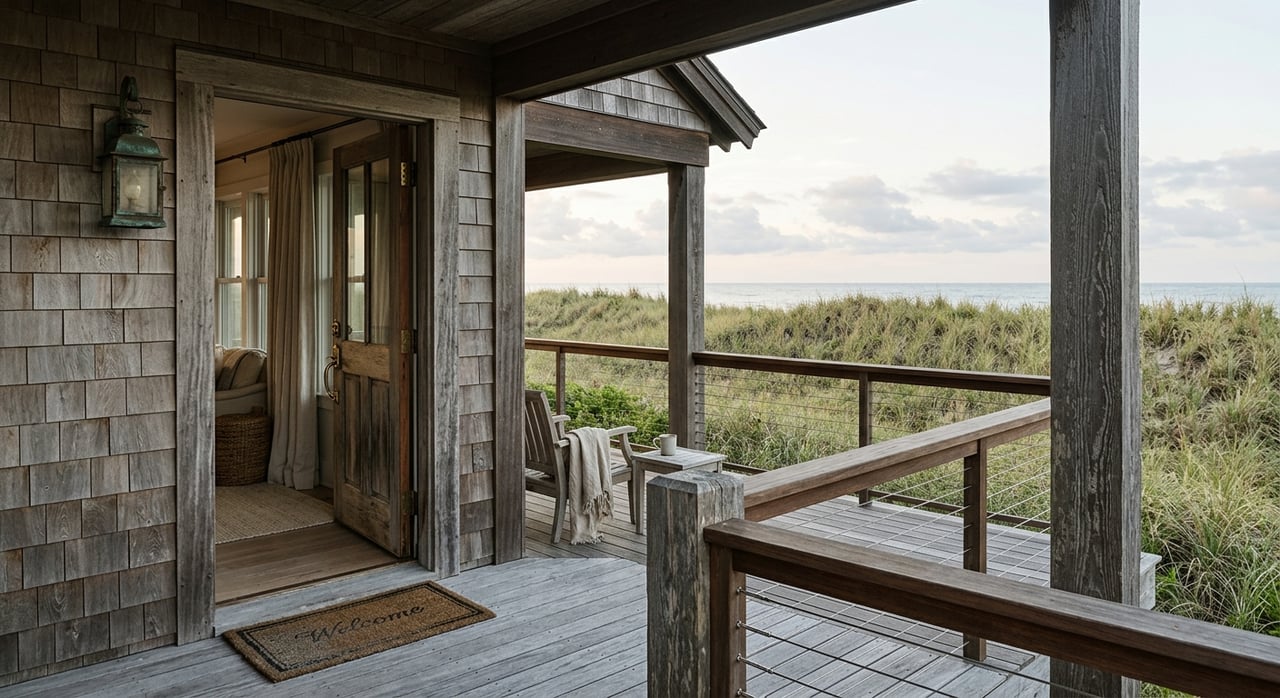
Looking for an Outer Banks beach town that feels calmer, less commercial, and more connected to the water itself? If you love the coast but do not need a packed entertainment strip outside your door, Salvo may be worth a closer look. This small Hatteras Island community offers a different kind of beach-town experience, one shaped by open space, public water access, and a more residential feel. Let’s take a closer look.
Why Salvo Feels Different
Salvo is a census-designated place in Dare County on Hatteras Island with a population of 303, according to 2020 Census data. That number helps explain the overall feel right away. This is a small, low-density community where the setting does a lot of the talking.
Much of the area is defined by Cape Hatteras National Seashore, which spans more than 70 miles and protects over 30,000 acres of beaches, marshlands, and maritime forests. The landscape around Salvo is not heavily built up, and that shapes daily life. Instead of a busy commercial corridor, you get a place where natural surroundings remain the main feature.
A More Residential Beach Setting
Dare County land-use planning offers another clue about Salvo’s character. In the county’s land-use plan update, Salvo was mapped with 218 acres of residential use and 31 acres of commercial use, along with public and undeveloped land. That suggests a village pattern centered more on homes, beach access, and the highway corridor than on concentrated retail or nightlife.
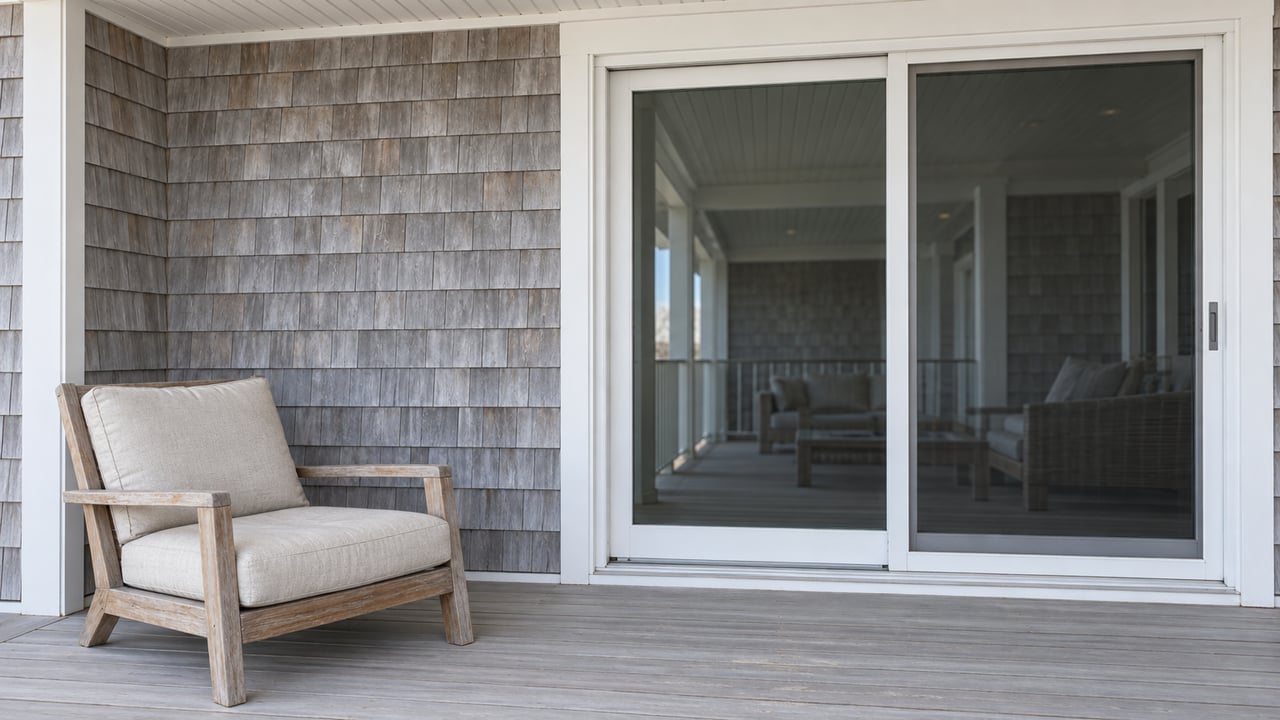
For buyers, that often translates into a quieter ownership experience. You are still part of the Outer Banks, but the environment feels more relaxed and less driven by commercial activity. If your idea of a beach escape is more porch time, paddleboarding, and open shoreline than crowds and constant traffic, Salvo stands apart.
Recreation Leads the Lifestyle
In Salvo, the water is the main amenity. The community’s strongest public recreation asset is the sound side, where Salvo Soundside Beach offers sandy shoreline, parking, seasonal restrooms, showers, picnic tables, and a canoe and kayak launch.
The National Park Service notes that the Pamlico Sound here is gentler and warmer than the ocean, which makes it especially appealing for kayaking, kiteboarding, windsurfing, stand-up paddleboarding, and general soundside use. That gives Salvo a recreation profile that feels active but unhurried.
Soundside Access Is a Big Draw
If you want easy entry to the water without the intensity of ocean surf, the sound side can be a major advantage. It supports a wide range of activities and gives owners and visitors another way to enjoy the coast beyond the beach itself.
For many buyers, that matters as much as ocean proximity. It adds versatility to how you use a property, especially if you are thinking about second-home enjoyment, flexible family use, or guest appeal.
Ocean Access Stays Within Reach
Salvo’s quieter atmosphere does not mean giving up beach access. The National Park Service says Beach Access Ramp 25 provides year-round off-road vehicle and pedestrian access south of Salvo, and Beach Access Ramp 30 provides year-round access in the broader Rodanthe-Waves-Salvo area toward Avon.
The area is also recognized by the National Park Service as one of the easier Hatteras Island kayak-launch areas, and ranger-led kayak tours are offered on Hatteras Island during summer. All of that reinforces the same theme: Salvo is less about commercial attractions and more about direct access to the natural setting.
What Buyers Tend to Find in Salvo
Salvo’s housing mix also supports its quieter identity. Current listing patterns show a market made up mostly of detached homes and land rather than a deep supply of attached or condo-style inventory.
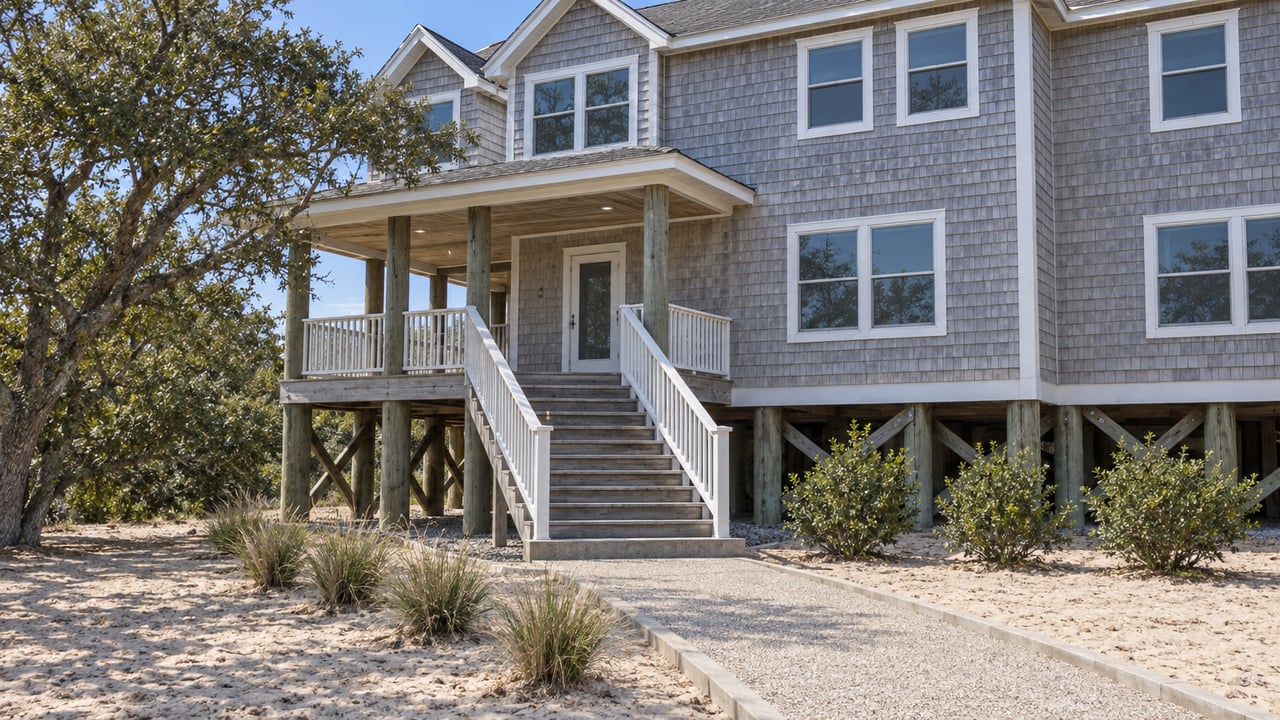
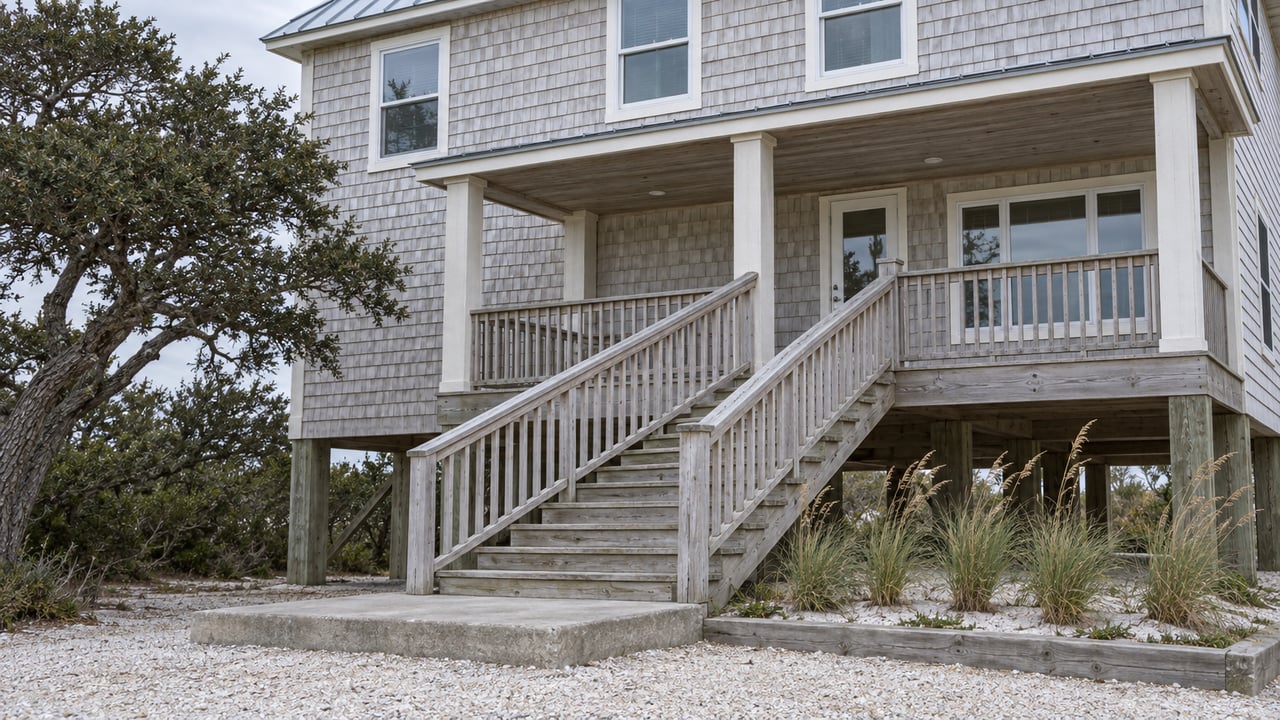
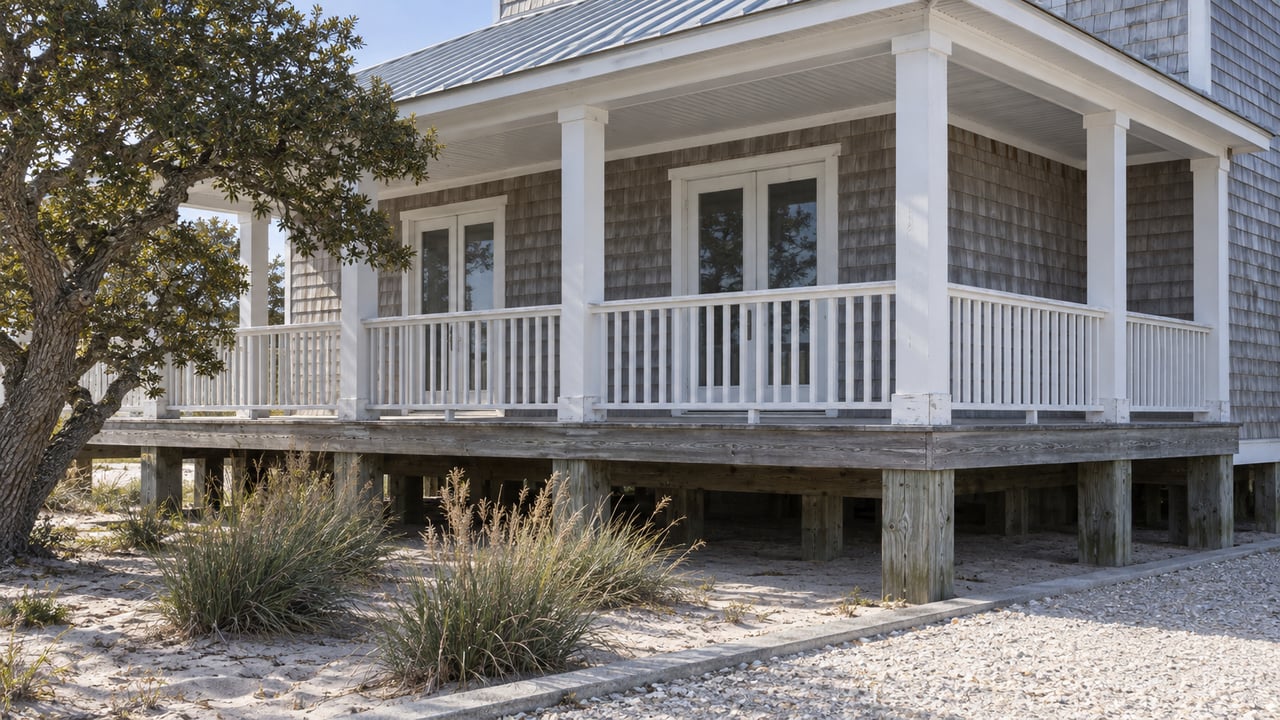
Available properties commonly include beach cottages, larger multi-bedroom vacation homes, and buildable lots. For buyers, that means Salvo often appeals to those looking for a second home, a vacation property, an investment-oriented beach house, or a homesite for custom construction.
Single-Family Homes Shape the Market
If you are searching in Salvo, you are more likely to encounter detached homes than dense resort-style product. That can be appealing if you want more privacy, more outdoor space, or a property that feels distinctly residential.
The inventory mix also supports a wide range of ownership goals. Some buyers are drawn to classic cottage-style homes, while others focus on larger houses that may support multi-generational use or vacation-rental strategy.
Homesites Add Long-Term Flexibility
Vacant lots remain an active part of the market in Salvo. That matters if you are not finding the right existing home and would rather consider building around your own priorities, timeline, and design preferences.
For buyers with a long view, homesites can open the door to a more customized approach. In a market where setting and use matter so much, that flexibility can be valuable.
Why Salvo Appeals to Second-Home Buyers
Salvo tends to attract buyers who value privacy, open space, and a slower pace. Based on its small population, residential land-use pattern, and recreation-centered setting, it is often a strong fit for people who want the beach experience without the energy of a busier commercial town.
That does not mean Salvo is isolated. It means the lifestyle centers more on the shoreline, the sound, and the rhythm of Hatteras Island than on a packed lineup of entertainment options.
For second-home buyers, that can be the point. If your goal is to create a retreat that feels calm, scenic, and residential, Salvo offers a compelling alternative within the Outer Banks.
What Investors Should Keep in Mind
For vacation-property buyers, Salvo can also be worth attention because the market includes larger homes, cottages, and buildable lots. The property types themselves may support different ownership strategies, depending on how you plan to use the home.
At the same time, Salvo is best approached with clear expectations. This is not a nightlife-driven destination, so the appeal is tied more closely to beach access, soundside recreation, and the overall Hatteras Island experience.
Buyers considering investment use should look carefully at property condition, carrying costs, access, and long-term upkeep. In a coastal market like this, those details matter just as much as location and views.
Barrier-Island Ownership Requires Due Diligence
One of the most important things to understand about Salvo is that it sits on a barrier island. The National Park Service and USGS both describe Cape Hatteras as a landscape continually shaped by storms, wind, waves, tides, erosion, overwash, and inlet movement.
That natural setting is part of what makes the area so distinctive, but it also means ownership comes with practical considerations. Buyers should think carefully about flood exposure, insurance, maintenance needs, and access when evaluating any property in Salvo.
North Carolina DEQ’s resilient coastal program also lists a 2024-2025 Salvo Flood Mitigation Project. That is a useful reminder that flood resilience remains an active public issue in the area and that barrier-island due diligence should be part of any purchase decision.
Questions Worth Asking Early
If you are considering a home or lot in Salvo, it helps to go beyond first impressions. A beautiful setting is important, but so is understanding how a property may function over time.
Some of the most useful early questions include:
- How does the property’s location affect flood exposure?
- What should you expect from insurance and ongoing maintenance?
- How does access influence daily use or guest use?
- If you are buying for part-time ownership, what does long-term upkeep look like?
- If you are considering a lot, what does the site suggest about buildability and future planning?
Is Salvo Right for You?
Salvo is not trying to compete with busier beach towns on entertainment density, shopping concentration, or constant activity. Its appeal is different. It offers a more residential, lower-density setting where the beach, sound, and public recreation access shape the experience.
If you want a quieter corner of the Outer Banks where nature leads and the pace feels slower, Salvo deserves a serious look. It can be a strong fit for second-home buyers, vacation-property shoppers, and anyone who values a calm coastal environment over a crowded one.
The key is matching the location to your goals. When you do that carefully, Salvo can offer a very appealing version of beach-town living.
If you are thinking about buying or selling in Salvo, Sarah Collier offers thoughtful, high-touch guidance grounded in Outer Banks market knowledge and the practical realities of coastal ownership.
FAQs
What makes Salvo, NC quieter than other Outer Banks beach towns?
- Salvo has a small population, a largely residential land-use pattern, and a recreation-focused setting rather than a concentrated commercial or nightlife corridor.
What kind of homes can you find in Salvo, NC?
- Buyers in Salvo are most likely to find detached single-family homes, beach cottages, larger vacation houses, and vacant lots for possible custom construction.
Is Salvo, NC good for second-home buyers?
- Salvo can be a strong option for second-home buyers who want a lower-density beach setting, soundside recreation, and a calmer pace than busier coastal communities.
What outdoor activities are popular in Salvo, NC?
- Popular activities in Salvo include kayaking, paddleboarding, kiteboarding, windsurfing, soundside beach use, and ocean access for beach outings.
What should buyers know about owning property in Salvo, NC?
- Buyers should understand that Salvo is on a barrier island, so flood exposure, insurance, maintenance, access, and long-term resilience are important parts of the decision-making process.