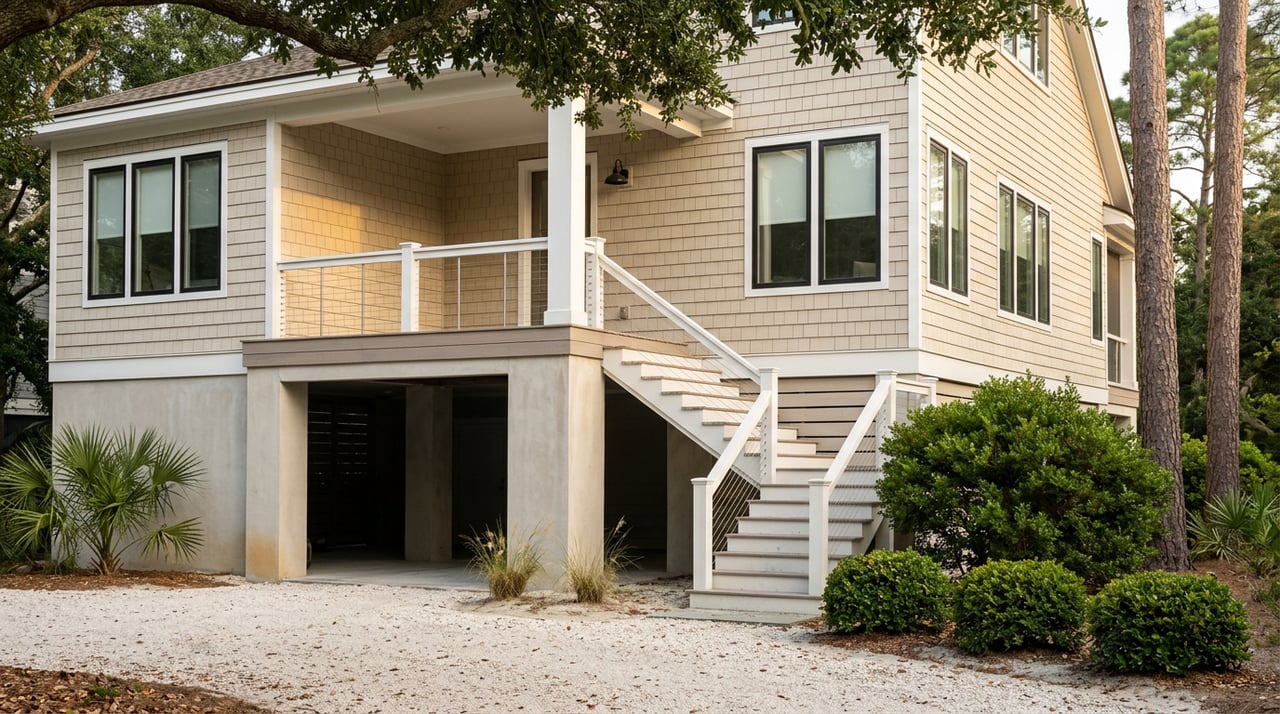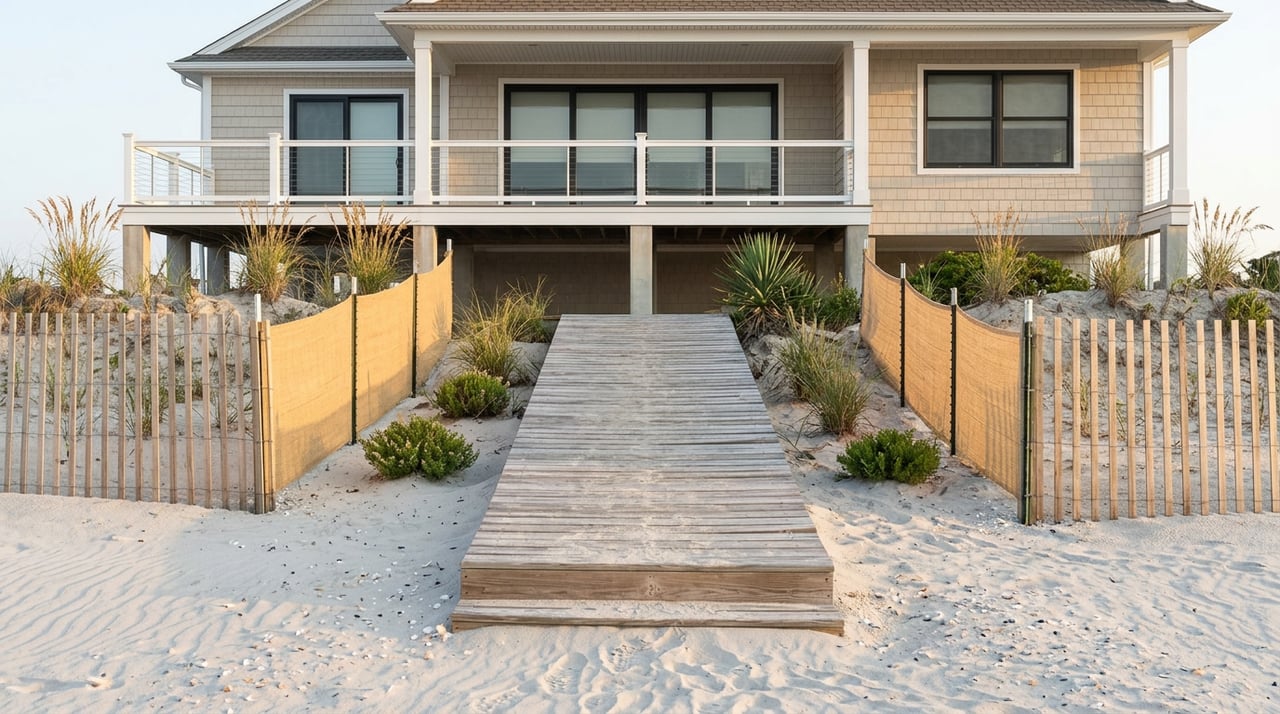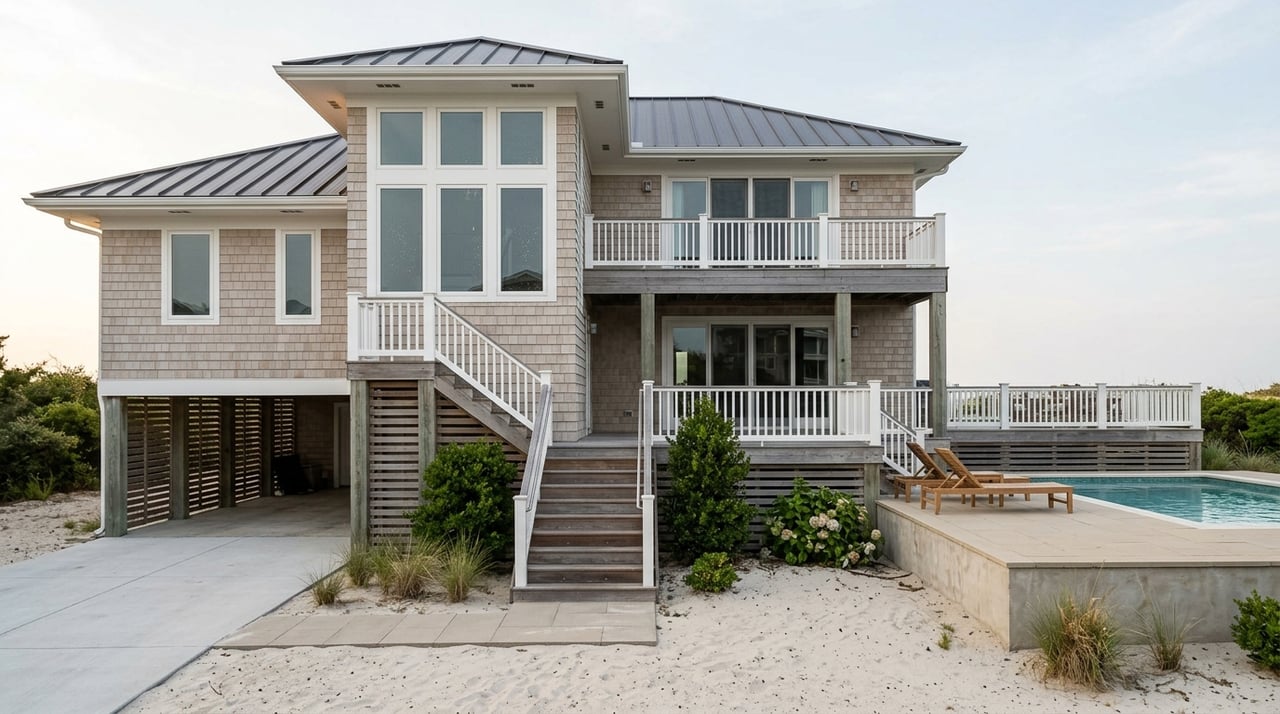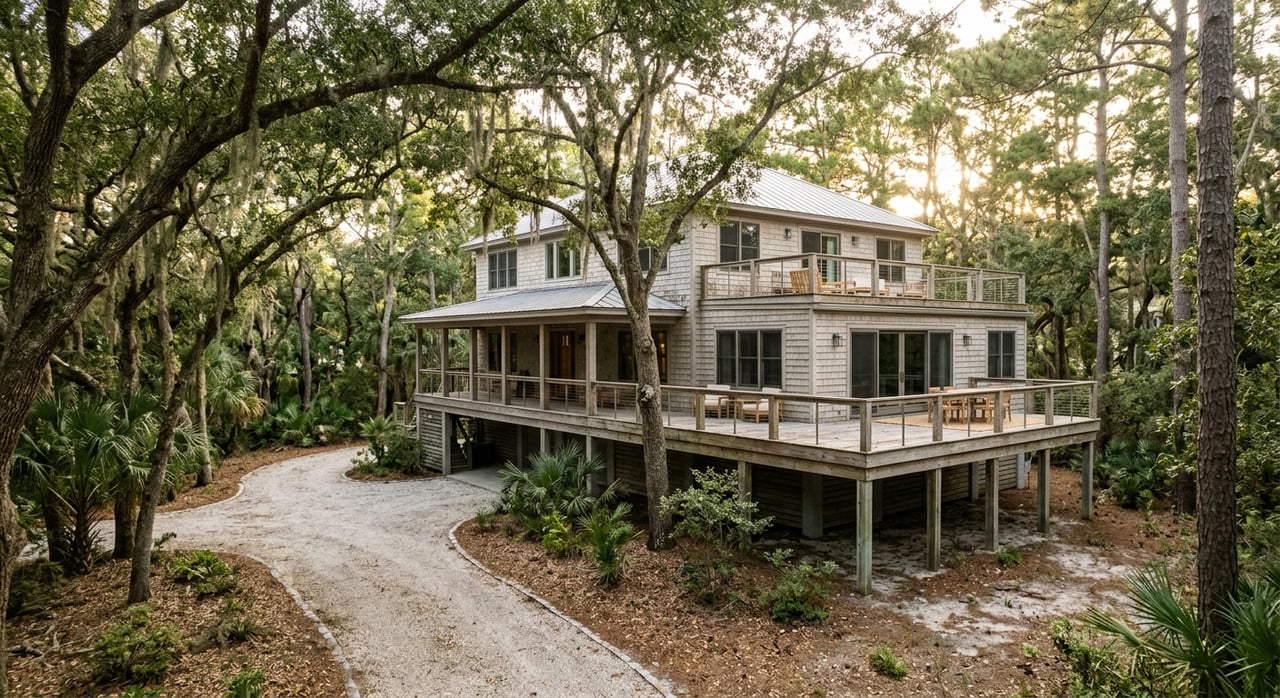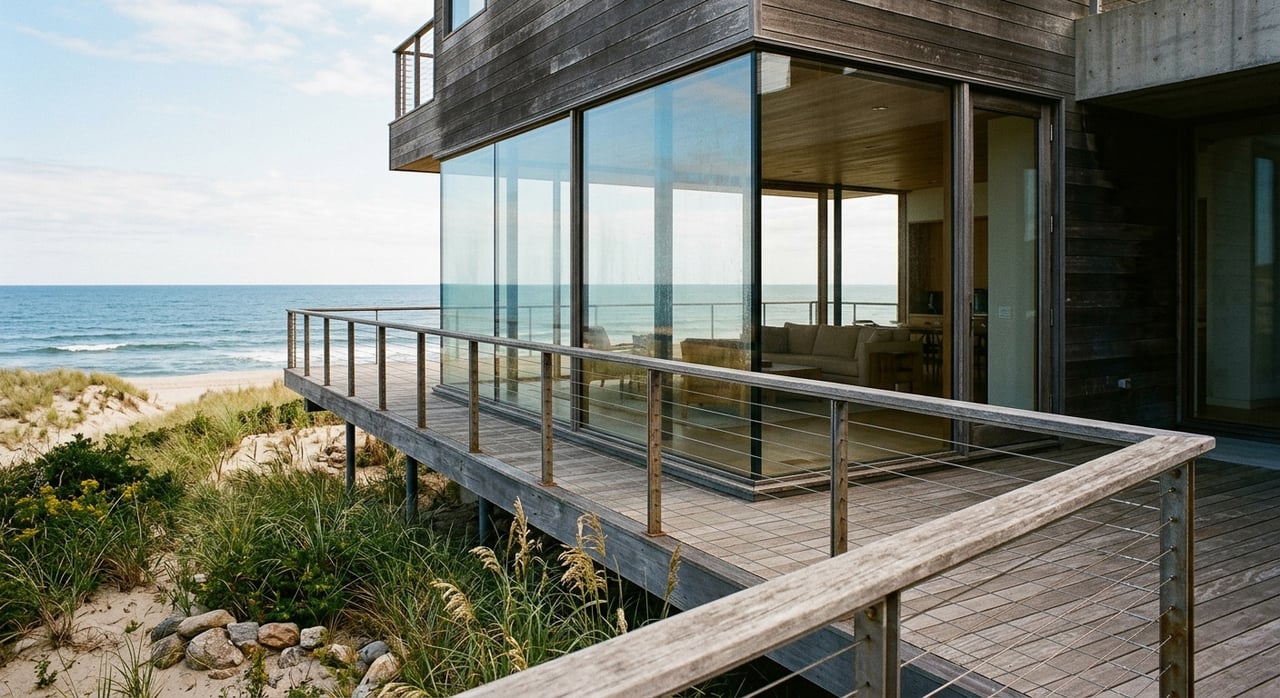
If you are listing a luxury home in Duck, you are not just putting a property on the market. You are introducing a coastal asset to a highly specific buyer pool that often shops from a distance, moves quickly when the right home appears, and expects both polished presentation and clear facts. To stand out in a small, competitive market, you need a strategy that connects pricing, preparation, and exposure from the very first day. Let’s dive in.
Why Duck demands a tailored listing strategy
Duck has a distinct identity within the Outer Banks. It is an official sound-to-sea community known for its pedestrian-friendly village, soundside boardwalk, and strong beach-and-village character. The town also notes that it does not own or maintain public beach access locations and that there are no public parking areas at beach accesses, which shapes how buyers perceive access, privacy, and overall value.
That matters because luxury buyers are not comparing your home to every property in Dare County. They are comparing it to a narrow set of homes with similar frontage, access patterns, view lines, condition, and coastal lifestyle appeal. In a place as micro-market-driven as Duck, broad averages can miss what truly drives demand.
The current market also rewards thoughtful execution. In the Outer Banks Association of REALTORS® May 2026 MLS report, Duck had 40 year-to-date residential sales, a year-to-date median sales price of $932,500, and average days on market of 66. Across the broader OBAR area, inventory was down 3% year over year, sales were up 10%, and the median sale price was up 4%, which supports the importance of launch timing and presentation.
Price for traction, not guesswork
In a low-volume luxury market, the initial list price carries extra weight. With fewer direct comparables, buyers and their advisors pay close attention to whether a home feels aligned with recent sales and current competition. An ambitious price can sound appealing, but in practice it can weaken the momentum you need most during the first days on market.
Online visibility tends to build early. Research cited by the National Association of REALTORS® notes that early views, saves, and shares can influence whether a listing gains traction. That is why pricing and presentation should work together from day one, rather than treating the first listing price as a test.
For a Duck luxury home, pricing should be anchored to details that truly affect value, such as:
- Oceanfront, soundside, or interior location
- Beach access pattern and proximity
- View corridor and outdoor living orientation
- Condition, updates, and overall finish level
- Pool, decks, porches, and exterior entertaining areas
- Flood-zone context and coastal permitting considerations
For waterfront and coastal properties, flood and regulatory context also matter. Duck’s CAMA information states that shorelines fall under CAMA jurisdiction, including areas within 75 feet of the Currituck Sound and oceanfront AEC and VE-zone areas. FEMA’s Flood Map Service Center is the official source for current flood-hazard information, so accurate flood-map context should be part of your pricing conversation.
Prepare the home like a premium coastal product
Luxury buyers in Duck are buying more than square footage. They are buying how the home lives, how it shows online, and how confidently they can evaluate it from near or far. That makes preparation a key part of value.
According to NAR’s 2025 staging report, 83% of buyers’ agents said staging makes it easier for buyers to visualize a property as a future home. The same report found that photos, videos, and virtual tours were considered important by 73%, 48%, and 43% of buyers’ agents, respectively. In other words, how your home is presented can shape both emotional response and practical understanding.
Inside the home, the priority is clarity and flow. Living rooms, primary bedrooms, and dining rooms tend to carry extra weight in staging because they help buyers picture how they would gather, relax, and host. In a Duck luxury home, that same thinking should extend outside.
Exterior living is part of the product here, not just the setting. Buyers notice:
- Deck layout and furniture placement
- Porch comfort and shade
- Pool presentation and privacy
- Dune path condition
- Sight lines toward the ocean or sound
- The overall feeling of ease between indoor and outdoor spaces
A home can be beautifully built and still miss the mark if those details are overlooked. Clean lines, open views, and a calm, well-kept exterior often do more for a Duck listing than over-styling ever could.
Build a strong pre-listing due diligence file
Luxury coastal buyers often ask sharper questions, especially when they are purchasing from out of town. A well-prepared seller can make the home easier to understand and easier to trust. That can help reduce hesitation once interest starts building.
A strong pre-listing file may include:
- Permit history for prior work
- Current flood-map references
- Insurance-related documents
- Information tied to prior coastal approvals, if relevant
- Beach-nourishment easement information for applicable oceanfront properties
Duck’s CAMA materials note that certain development in Areas of Environmental Concern requires permits. The town’s beach-nourishment FAQ also notes that some oceanfront properties may need easements where sand will be placed. Since flood maps are continually updated, current documentation is especially useful when buyers are comparing risk and ownership costs.
This is also where local guidance matters. Clear, plain-language explanation of flood mapping, shoreline oversight, and property history can help remote buyers feel more confident about moving forward.
Invest in visuals that match the price point
Most buyers begin online, and many decide whether a property is worth a closer look in seconds. NAR says 52% of buyers found the home they purchased online, and nearly half started their search there. Another NAR article reported that 81% of buyers rated listing photos as the most useful feature in their online home search.
For a Duck luxury listing, that makes your visual package one of the most important parts of the launch. Professional photography is the baseline, not the upgrade. Every image should help a buyer understand scale, light, setting, and what makes the home distinct.
A strong marketing package often includes:
- Professional still photography
- A compelling lead image
- Twilight and exterior photography
- Video walkthroughs
- Virtual tours
- Floor plans
- Aerial imagery where useful for setting and orientation
These assets do different jobs. Photos create first impressions. Video helps buyers feel movement through the home. Virtual tours support remote decision-making. Floor plans and aerials help a buyer understand layout, lot position, and relationship to the coastline or soundside surroundings.
Launch with coordinated exposure
A polished listing can still lose momentum if the launch is fragmented. Early promotion matters because the first few days online often carry outsized importance. If a home debuts with strong pricing, complete visuals, and synchronized outreach, it has a better chance of attracting meaningful attention quickly.
That coordinated exposure should include the MLS, direct email promotion, social channels, and targeted broker outreach. The goal is not simply to appear online. The goal is to create immediate visibility with the right audience while the listing is still fresh.
This matters in Duck because likely buyers are often not local. National buyer data has shown a meaningful share of buyers pay cash, and prior NAR reporting has indicated vacation-home buyers and investors made up much of the all-cash activity. For a market like Duck, it is reasonable to expect a buyer pool that may be distant, equity-rich, and ready to act when a property checks the right boxes.
Pair local expertise with global reach
For a luxury home in Duck, broad exposure can be a real advantage. Sotheby’s International Realty reports a network of more than 1,100 offices across 86 countries and territories and nearly 26,000 sales associates. In 2025, the brand reported US$182.4 billion in global sales volume, nearly US$7 billion in global referrals, and about 42 million visits to sothebysrealty.com.
That scale can help a Duck listing reach buyers who may never discover it through local channels alone. It also fits the reality of the market, where second-home buyers, investors, and relocation-minded purchasers may be searching from well outside the Outer Banks.
Still, global reach works best when it is paired with local interpretation. Remote buyers need more than polished exposure. They need to understand access patterns, flood-map context, CAMA oversight, and the practical differences between one stretch of Duck and another. That blend of presentation and plain-language local guidance is what helps turn interest into strong offers.
What maximum coastal exposure really means
Maximum exposure is not about putting a home everywhere and hoping for the best. It is about presenting the property clearly, pricing it with discipline, and making it easy for qualified buyers to see both the lifestyle and the facts.
In Duck, that means telling the right story. Your home is part of a community known for its boardwalk, coastal setting, and distinct sense of place. The most effective listing strategy brings those qualities forward while also answering the practical questions luxury buyers ask about condition, access, flood context, and long-term ownership.
When those pieces come together, your listing is positioned to attract stronger attention from the start. If you are thinking about selling in Duck and want a strategy built around both coastal market knowledge and elevated exposure, Sarah Collier can help you prepare, position, and launch your home with care.
FAQs
How should you price a luxury home in Duck, NC?
- You should base pricing on recent comparable sales with similar frontage, access, views, condition, and flood-zone context, since Duck is a small, highly specific market where broad averages can be misleading.
Why does first-week exposure matter for a Duck listing?
- Early online activity like views, saves, and shares can influence momentum, so a well-priced home with strong visuals and coordinated promotion has a better chance of gaining traction quickly.
What marketing assets help sell a Duck luxury home?
- Professional photography, twilight images, video walkthroughs, virtual tours, floor plans, and aerial imagery can help buyers understand the home’s layout, setting, and coastal lifestyle appeal.
What documents should sellers gather before listing in Duck?
- Useful pre-listing materials can include permit history, current flood-map references, insurance-related documents, and beach-nourishment easement information when relevant.
Why do remote buyers need local guidance in Duck?
- Many likely buyers may be purchasing from outside the area, so clear explanation of beach access, flood mapping, CAMA oversight, and property-specific coastal factors can help them evaluate the home with confidence.